IDIOMS

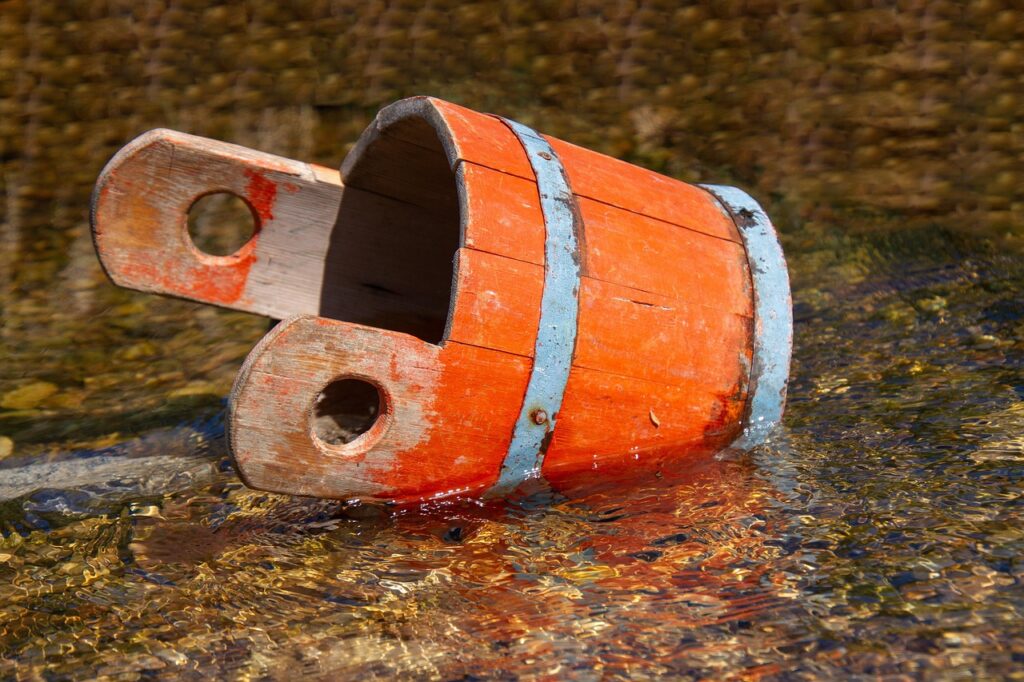
wooden bucket, water, wood, bucket, orange, colorful, flow, nature, waters, bucket, bucket, bucket, bucket, bucket

Kick the Bucket

The idiom “kick the bucket” is a colloquial expression in English that means to die. Though it might sound humorous or lighthearted, it is often used in informal contexts to talk about death in a less direct or more palatable way. Origin of the Idiom The exact origin of “kick the bucket” is unclear, but […]


Kick the Bucket Read More »

A pair of black sneakers next to bare feet on a gray surface.

Off on the Wrong Food

The phrase “off on the wrong foot” is an idiomatic expression that means to begin something in a way that is likely to lead to problems, misunderstanding, or failure. It is commonly used in both personal and professional contexts to describe situations where a relationship, project, or event starts poorly, often due to a mistake,

Off on the Wrong Food Read More »

A powerful black and white image of a boxer throwing a punch, showcasing strength and focus.

Cheap Shot

The expression “cheap shot” is an idiom used to describe a criticism, insult, or attack that is unfair, hurtful, or made without just cause, often because it exploits a vulnerable situation. This phrase can apply in both literal and figurative contexts, from physical altercations to verbal or emotional jabs. Origin and Literal Meaning Originally, “cheap

Cheap Shot Read More »

A majestic sailing ship with white sails against a dark, stormy sky, evoking a sense of adventure.

Righting the Ship

The expression “righting the ship” is an idiomatic phrase in English that originates from nautical terminology. Literally, it refers to the act of restoring a ship that has tilted or capsized back to its upright position. Figuratively, it means correcting a situation that has gone off course, fixing problems, or regaining control after a period

Righting the Ship Read More »

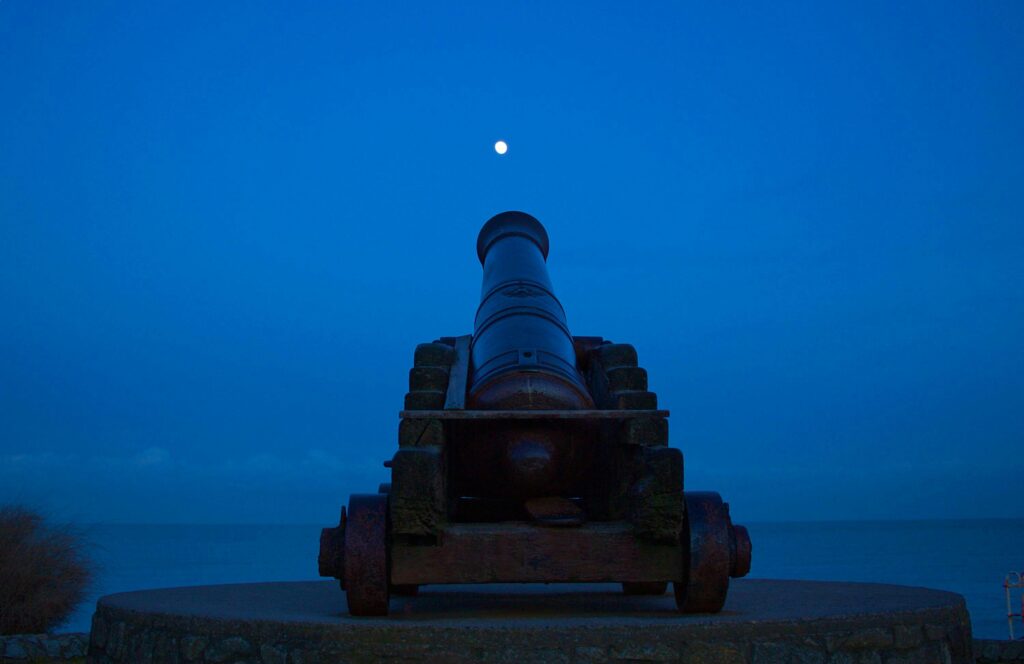
Silhouette of a historic cannon facing the moon in a serene midnight setting.

Loose Cannon

The term originates from the age of sailing ships when heavy cannons onboard were secured with ropes and restraints to prevent them from rolling around during rough seas or combat. A loose cannon was dangerous, capable of causing chaos or damage, threatening both the ship and its crew. Over time, this vivid metaphor found its

Loose Cannon Read More »

A picturesque broken bridge over a turquoise river in San Martín de los Andes, Argentina.

Burning Bridges

The idiom “burning bridges” is a vivid metaphor rooted in military history but used widely in everyday language today. It refers to damaging or destroying a relationship, connection, or opportunity—often in a way that makes it difficult or impossible to go back. The act of “burning a bridge” is usually intentional or at least foreseeable,

Burning Bridges Read More »

A close-up view of a hand showing a thumbs up against a plain background.

Right-Hand Man

The expression “right-hand man” refers to someone who is indispensable, trustworthy, and often second-in-command, acting as a key assistant or ally. This individual is typically relied upon to support and guide the leader in various endeavors, making them almost irreplaceable in critical matters. Imagine you’re running a company; your “right-hand man” could be your operations

Right-Hand Man Read More »

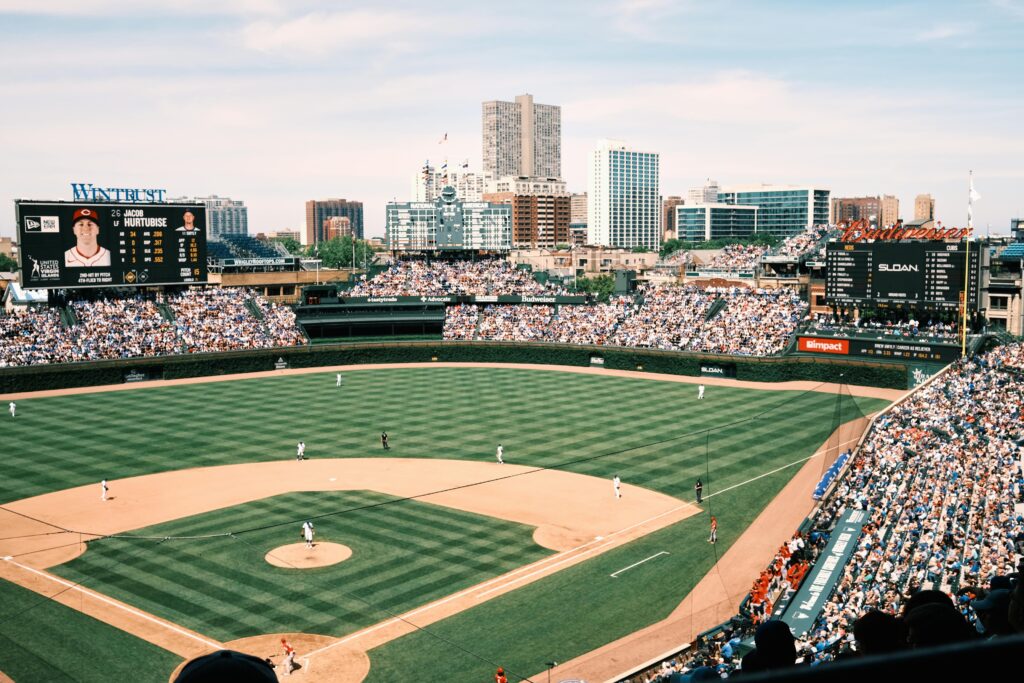
Wide-angle shot of Wrigley Field filled with spectators during a baseball game in Chicago.

Out of Left Field

“Out of left field” is an idiom that describes something surprising, unexpected, or seemingly random. It originates from baseball, where the left field is considered an unusual place for an action to occur, catching players off guard. Over time, the phrase has evolved beyond sports and is now widely used in casual conversations, literature, business,

Out of Left Field Read More »

pets, pet, animal, cat, dog, animals, mammals, canine, feline, nature, friends

Raining Cats and Dogs

The phrase “raining cats and dogs” is an idiom in English, used to describe very heavy rain. It does not mean that animals are falling from the sky! Instead, it is a figurative way of expressing intense rainfall. Origins of “Raining Cats and Dogs” The exact origin of the phrase is debated, but there are

Raining Cats and Dogs Read More »

Detailed portrait of an American badger in its natural habitat, showcasing distinct facial markings.

It Takes One to Know One

The phrase “It takes one to know one” is a common idiomatic expression used in English. It implies that someone recognizes a trait, characteristic, or behavior in another person because they possess it themselves. In essence, the observer can identify or understand the quality they are commenting on because it reflects their own nature or

It Takes One to Know One Read More »

Call for a Free Demo Lesson